Why Edmonton Rental Property Owners are Stressed?
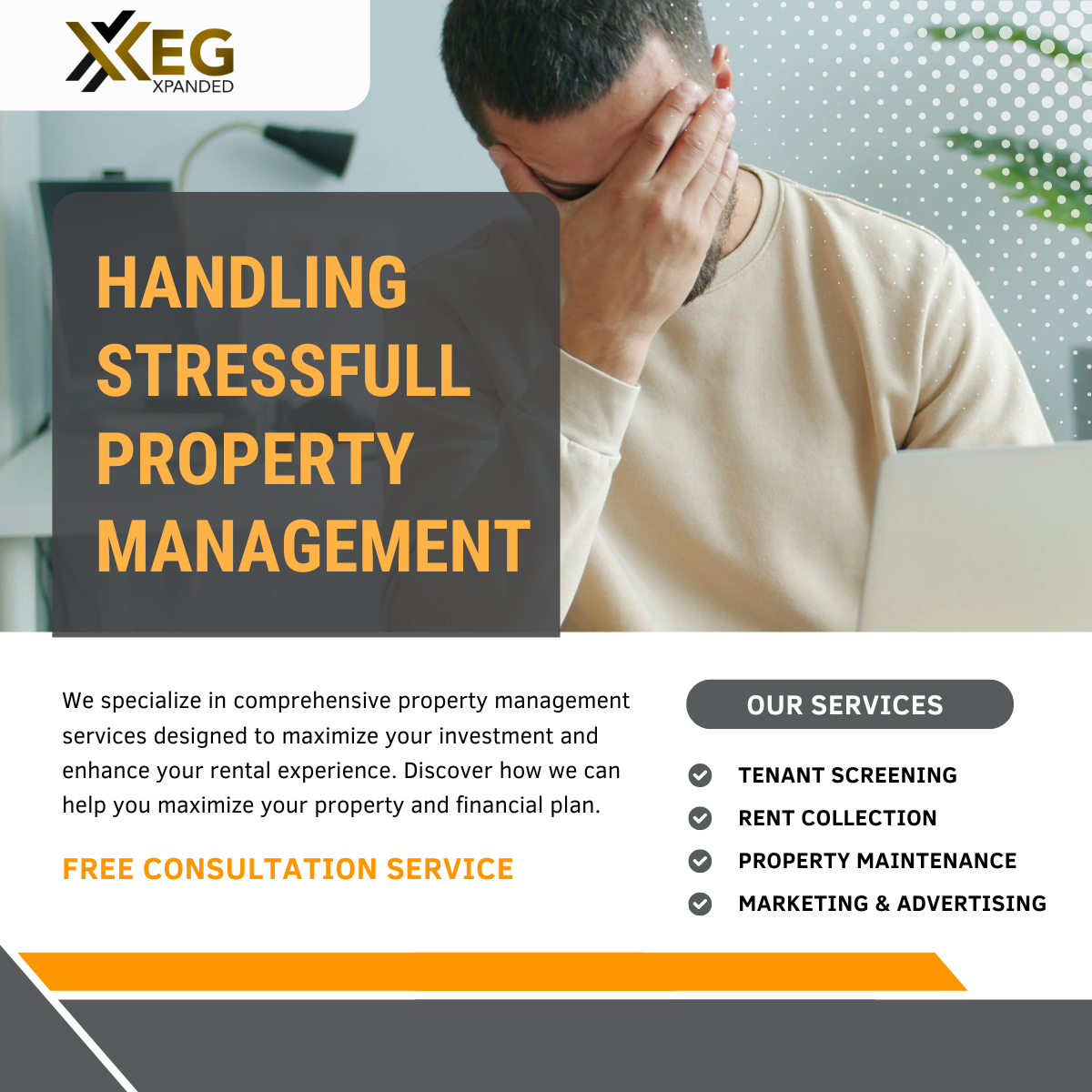
Managing a property in Edmonton is overwhelming
Owning rental property in Edmonton can be rewarding, but it can also become stressful when every decision is based only on the problem happening today.
Today’s late rent.
Today’s repair.
Today’s vacancy.
Today’s tenant message.
Today’s invoice.
Today’s complaint.
It is easy for Edmonton property owners to get stuck in short-term thinking. But rental real estate is not a short-term game. It is a long-term investment strategy.
The goal is not just to survive one tenant issue. The goal is to protect the property, improve performance, reduce risk, and make the investment easier to own over time. This requires better systems, stronger processes, and the right property management support.
If you want to own rental property in Edmonton for 10, 20, or 30 years, you need a management structure you can actually live with. You should not have to burn out to build wealth. You should not have to answer every tenant call yourself. You should not have to become an expert in every rental issue.
The right Edmonton property management support can help turn a stressful rental into a more stable, professional, and manageable asset.
Why Long-Term Thinking Matters for Edmonton Property Owners
Many landlords focus on the immediate issue in front of them. That is understandable. When a tenant is late on rent or a furnace stops working in the middle of winter, the problem feels urgent.
But successful rental property ownership requires more than reacting to emergencies.
Long-term thinking helps property owners make better decisions about:
Tenant screening
Rent collection
Property maintenance
Vacancy reduction
Lease documentation
Owner communication
Risk management
Long-term return on investment
When Edmonton property owners only focus on short-term problems, they often create long-term stress. A quick decision may solve today’s issue, but it can create bigger problems later.
For example, approving the wrong tenant just to avoid vacancy may lead to unpaid rent, property damage, complaints, and legal issues. Delaying a small repair may lead to a larger and more expensive repair later. Failing to document communication may create confusion during a dispute.
A long-term approach looks at the bigger picture.
The question is not just, “How do I fix this today?”
The better question is, “What system do I need so this is handled properly every time?”
Real Estate Wealth Is Built Over Time
Most Edmonton property owners do not buy rental properties for one good month of cash flow. They buy because they want long-term value.
Rental property can help build wealth through:
Monthly rental income
Mortgage paydown
Property appreciation
Tax planning opportunities
Long-term equity growth
Portfolio expansion
Retirement planning
But real estate wealth is not built automatically. A property can increase in value over time, but poor management can still reduce returns.
A rental property that is not managed properly can become expensive, stressful, and difficult to hold.
Poor management can lead to:
Higher vacancy loss
Late or missed rent payments
Poor tenant quality
Increased repair costs
Damage to the property
Weak documentation
Owner burnout
Legal and compliance risk
For Edmonton landlords, long-term ownership means thinking beyond the current tenant or the current month. It means building a structure that protects the property year after year.
Short-Term Property Management Creates Long-Term Stress
Many landlords start by managing their own rental properties because they want to save money. At first, self-management may seem simple.
You collect rent.
You answer tenant messages.
You call a contractor when something breaks.
You list the property when it becomes vacant.
But over time, self-management can become overwhelming.
Common Problems With Reactive Property Management
When landlords manage reactively, they often experience:
Constant interruptions from tenant messages
Unclear maintenance processes
Slow vacancy turnaround
Weak tenant screening
Poor record keeping
Emotional decision-making
Inconsistent communication
Lack of time for other priorities
One rental property can quickly start to feel like a second job. Multiple properties can become even harder to manage without proper systems.
The problem is not always the property itself. Often, the problem is the lack of structure around the property.
If the entire system depends on the owner personally remembering every task, answering every call, and solving every problem, the system is fragile.
That kind of structure is hard to maintain for 10, 20, or 30 years.
Your Rental Property Should Not Own You
A rental property should be an asset. It should not feel like a trap.
Many property owners reach a point where they feel stuck. They do not want to sell because they know the property has long-term value. But they also do not want to keep dealing with the stress of managing it.
This is where professional property management in Edmonton can become valuable.
The right property management structure gives owners more support, more organization, and more breathing room.
A Better Management Structure Can Help With:
Tenant communication
Maintenance coordination
Rent collection tracking
Lease documentation
Property inspections
Move-in and move-out reports
Vacancy advertising
Showings and applications
Owner reporting
Vendor communication
This does not mean the owner stops caring about the property. It means the owner no longer has to personally carry every task.
That is important because long-term property ownership should be sustainable.
You should not have to burn out to build wealth.
Better Systems Protect the Property
A rental property needs ongoing care. Even good tenants and well-maintained homes still require attention.
Furnaces need servicing.
Appliances break.
Plumbing leaks.
Roofs age.
Yards need maintenance.
Smoke detectors need checks.
Tenants eventually move out.
Without a proper system, these responsibilities can become scattered and inconsistent.
Why Maintenance Systems Matter
A strong maintenance system helps property owners:
Catch issues earlier
Reduce preventable damage
Track repair history
Coordinate vendors more efficiently
Improve tenant satisfaction
Protect the long-term value of the property
For example, a small leak under a sink may seem minor. But if it is ignored, it can lead to cabinet damage, flooring damage, mold concerns, and a much higher repair bill.
Long-term owners understand that maintenance is not just an expense. It is part of protecting the asset.
Better Tenant Screening Reduces Long-Term Risk
Tenant quality is one of the most important parts of rental property success.
A good tenant can make ownership smoother. A poor tenant can create months of stress, financial loss, and property damage.
That is why tenant screening should never be rushed.
Strong Tenant Screening May Include:
Rental application review
Employment verification
Income review
Landlord references
Credit checks where applicable
ID verification
Lease history review
Clear communication before approval
The goal is not just to find a tenant quickly. The goal is to find the right tenant for the property.
A vacant property is stressful, but the wrong tenant can be much more expensive than a few extra days of vacancy.
For Edmonton property owners, proper tenant placement is one of the best ways to reduce long-term risk.
Long-Term Owners Need Better Documentation
Documentation may not be exciting, but it is one of the most important parts of rental property management.
Good documentation protects both the owner and the tenant.
Important Rental Property Documents Include:
Lease agreements
Move-in inspection reports
Move-out inspection reports
Rent ledgers
Maintenance records
Invoices and receipts
Tenant communication records
Notices and warnings
Property inspection notes
Deposit records
When records are organized, decisions become easier. If there is a dispute, you are not relying on memory. If there is a maintenance issue, you can review the repair history. If rent is late, you can check the ledger.
Poor documentation creates confusion.
And confusion creates risk.
For owners who want to hold rental property long-term, organized records are not optional. They are part of professional asset management.
Better Systems Reduce Vacancy Loss
Vacancy is one of the biggest costs for rental property owners. Every month without rent affects cash flow.
But vacancy loss is not just about the number of empty days. It is also about how the leasing process is handled.
Vacancy Can Increase When:
The rent is priced incorrectly
The listing photos are weak
The ad copy is unclear
Tenant inquiries are not answered quickly
Showings are hard to book
The property is not move-in ready
Applications are not processed efficiently
A strong leasing system helps reduce these problems.
A Better Leasing Process Should Include:
Market rent review
Strong photos and listing description
Fast response to inquiries
Clear showing process
Proper application screening
Lease preparation
Deposit collection
Move-in inspection
Tenant onboarding
When this process is repeated consistently, rental turnover becomes easier to manage.
For long-term Edmonton property owners, reducing vacancy loss can make a significant difference over time.
Property Management Helps Owners Scale
Some Edmonton landlords only want to own one rental property. Others want to grow their portfolio.
Either way, systems matter.
But if you plan to scale, systems become even more important.
One property may be manageable on your own. Two or three may still feel possible. But as your portfolio grows, the workload grows too.
More tenants.
More repairs.
More messages.
More leases.
More inspections.
More rent collection.
More risk.
Without structure, growth can turn into chaos.
Before Buying More Rental Properties, Ask:
Can I handle more tenant communication?
Do I have a reliable maintenance process?
Are my records organized?
Do I have a tenant screening system?
Can I handle multiple vacancies at once?
Do I have time to manage this properly?
Will this portfolio still be manageable in five years?
If the answer is no, it may be time to improve the management structure before expanding.
Professional property management can help owners scale without personally carrying every operational task.
Property Management Is Not Just a Cost
Many owners view property management as an expense. But for long-term investors, it is better to view property management as part of the investment structure.
A good property management company can help protect the property, improve operations, reduce risk, and make ownership more sustainable.
Property Management Can Support Long-Term Success By Helping With:
Tenant placement
Rent collection
Maintenance coordination
Vacancy advertising
Owner communication
Inspection scheduling
Lease organization
Documentation
Vendor management
Risk reduction
That does not mean every property manager is the same. Edmonton property owners should choose carefully. The right property management company should understand the local market, communicate clearly, and have reliable systems in place.
But when done properly, property management is more than task delegation.
It is a long-term support system for the owner and the property.
How Edmonton Property Owners Can Start Thinking Long-Term
Long-term thinking does not require a complicated plan. It starts with better questions.
1. What Problems Keep Repeating?
If the same issues keep coming up, the property may need a better system.
Examples include:
Tenants paying late
Maintenance delays
Long vacancies
Poor communication
Confusing records
Repeated disputes
Repeating problems are usually signs of weak processes.
2. What Tasks Are Taking Too Much Time?
Some tasks may seem small, but they add up quickly.
These can include:
Answering tenant texts
Booking showings
Following up on rent
Finding contractors
Reviewing applications
Preparing documents
Tracking invoices
If these tasks are taking too much time, better support may be needed.
3. What Risks Are Not Being Managed Properly?
Every rental property has risk.
The goal is not to remove every risk. The goal is to manage risk professionally.
Risks may include:
Poor tenant screening
Missing documentation
Deferred maintenance
Lease confusion
Rent arrears
Property damage
Owner burnout
Long-term owners build systems to reduce these risks before they become major problems.
4. Is This Property Easy Enough to Own Long-Term?
This is one of the most important questions.
If the property is constantly stressful, the owner may eventually make emotional decisions. They may sell too early, avoid growing their portfolio, or become frustrated with real estate altogether.
A property that is easier to own is easier to hold.
And in real estate, holding long-term is often where the biggest benefits happen.
The Right Property Management Support Makes Ownership Easier
Owning rental property in Edmonton should not mean being available 24/7.
You should not have to personally answer every tenant message.
You should not have to coordinate every repair.
You should not have to handle every showing.
You should not have to become an expert in every rental issue.
You should not have to feel trapped by your own investment.
The right property management support can help turn a stressful rental into a more stable, professional, and manageable asset.
It can help move the owner from reactive management to strategic ownership.
Instead of chasing every problem, you build systems.
Instead of carrying all the stress yourself, you create support.
Instead of focusing only on today’s issue, you make decisions that protect the next 10, 20, or 30 years.
Final Thoughts: Think Beyond Today’s Rental Problem
If you are a property owner in Edmonton, today’s problems matter. Late rent matters. Repairs matter. Vacancies matter. Tenant messages matter.
But they are not the whole picture.
The bigger question is whether your rental property is set up for long-term success.
Ask yourself:
Do I have the right systems in place?
Is my property being protected properly?
Are my tenants being screened carefully?
Are repairs being handled consistently?
Are my records organized?
Is this investment becoming easier or harder to own?
Can I continue managing this property for the next 10, 20, or 30 years?
Rental real estate can be a powerful wealth-building tool, but only when it is managed with the long game in mind.
A rental property should help create freedom, not take it away.
For Edmonton property owners who want a more stable, professional, and manageable ownership experience, long-term thinking is not optional. It is the foundation of better property management, better decision-making, and better results over time.
